
Brain Pacemaker Market Size, Trends, & Growth Forecast to 2035
Explore the global Brain Pacemaker Market, projected to reach $6.075 billion by 2035. Our in-depth analysis covers key drivers, trends, top companies, and the future of deep brain stimulation for neurological disorders like Parkinson's and epilepsy.
 Coralia Joe
The Future of Neurological Care: A Deep Dive into the Brain Pacemaker Market
The human brain, an intricate network of electrical impulses, remains one of the greatest frontiers in medicine. When this delicate circuitry is disrupted by neurological disorders, the consequences can be devastating. However, a new frontier of hope is emerging in the form of brain pacemakers. These sophisticated devices, a beacon of modern medical engineering, are not just managing symptoms—they are rewriting the future for millions of patients worldwide. This research report explores the dynamic landscape of the Brain Pacemaker Market, charting its growth, key players, and the forces shaping its trajectory.
Market Introduction
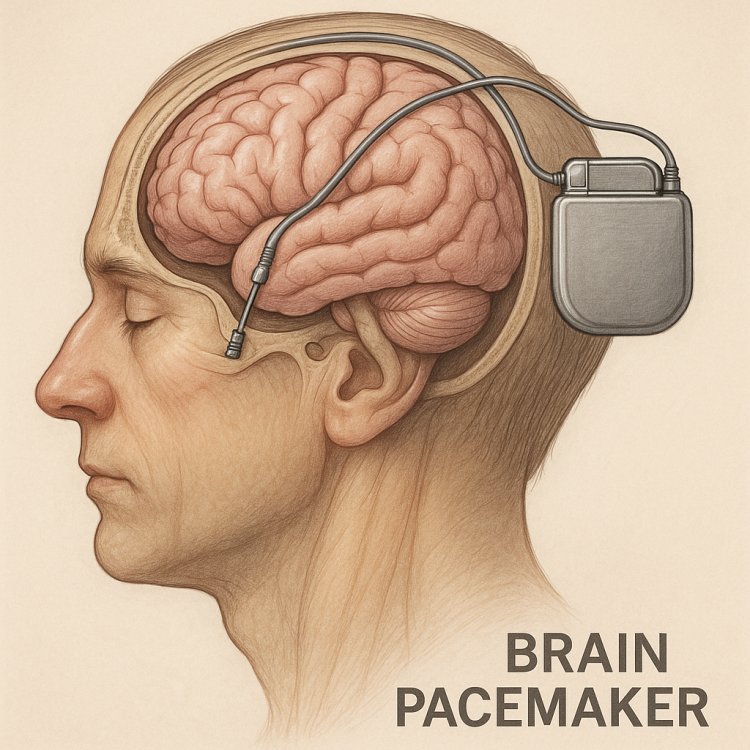
At its core, a brain pacemaker, clinically known as a Deep Brain Stimulator (DBS), functions much like its cardiac counterpart. Where a heart pacemaker corrects an irregular heartbeat, a brain pacemaker delivers targeted electrical impulses to specific brain regions to modulate abnormal neural activity. According to in-depth analysis by Vantage Market Research, the global Brain Pacemaker Market stands at an impressive USD 3.66 Billion in 2024. This figure is not static; it's on an upward trajectory, projected to soar to USD 6.075 Billion by 2035, expanding at a robust Compound Annual Growth Rate (CAGR) of 4.75% from 2025 to 2035. The most advanced of these devices are intelligent, closed-loop systems. They are wireless, self-contained, and capable of learning to recognize the unique electrical signature of a seizure or tremor. Once identified, the device autonomously adjusts its stimulation to counteract the neurological event in real-time, offering a personalized and responsive therapeutic approach that is revolutionizing patient care.
Get a Sample Copy:- https://www.vantagemarketresearch.com/brain-pacemaker-market-1312/request-sample
Key Takeaways
- The global Brain Pacemaker Market is valued at USD 3.66 Billion in 2024 and is forecast to reach USD 6.075 Billion by 2035, expanding at a steady CAGR of 4.75%.
- North America leads the global market, accounting for a 45% revenue share, due to its advanced healthcare infrastructure, high disease prevalence, and the presence of key industry players. The Asia-Pacific region is projected to be the fastest-growing market.
- Parkinson's Disease is the primary application for brain pacemakers, representing nearly 40% of the total market revenue, followed by essential tremor and epilepsy.
- The market is expanding beyond movement disorders, with Obsessive-Compulsive Disorder (OCD) and other psychiatric conditions representing the fastest-growing application segment.
- Growth is primarily fueled by the aging global population, the rising incidence of neurological disorders, and significant technological advancements in device technology, such as rechargeable batteries and smart, closed-loop systems.
- Rechargeable and dual-channel brain pacemaker systems hold the largest market share, preferred for their longer device lifespan, patient convenience, and ability to treat complex conditions.
- high cost of the device and the associated surgical implantation procedure, along with complex regulatory approval processes, remain the most significant barriers to wider market adoption.
Brain Pacemaker Market Insights
The Brain Pacemaker Market is a highly specialized and vital corner of the medical device industry, centered on the power of neurostimulation to treat debilitating neurological conditions. Primarily known for their efficacy in managing Parkinson's disease, epilepsy, and essential tremor, these devices are becoming a cornerstone of modern neurology. The market's growth is fueled by a confluence of powerful global trends. An aging global population inevitably leads to a higher prevalence of neurodegenerative diseases. In the United States alone, the Parkinson's Foundation estimates nearly one million people are living with the disease, a number expected to climb. Similarly, the World Health Organization reports that epilepsy affects around 50 million people globally, making it one of the most common neurological diseases. These staggering numbers underscore a profound and growing unmet medical need that brain pacemakers are uniquely positioned to address.
As the technology underpinning brain pacemakers matures, the industry's focus is sharpening on enhancing device intelligence and creating a more patient-centric experience. The core principle of neurostimulation—using electrical impulses to retune brain circuits—is being refined with unprecedented precision. Advanced systems now feature directional leads that can steer electrical current to highly specific neural targets, maximizing therapeutic benefit while minimizing side effects. This relentless pace of research and development not only improves outcomes for patients with movement disorders but also propels innovation and competition within the Brain Pacemaker Market.
The therapeutic horizon for brain pacemakers is rapidly expanding beyond its traditional neurological strongholds. Researchers and clinicians are exploring their potential in treating complex psychiatric conditions like treatment-resistant depression and obsessive-compulsive disorder (OCD), as well as in managing chronic, intractable pain. This diversification opens up powerful new avenues for growth and inter-industry collaboration, linking medical device manufacturers with pharmaceutical companies and mental health providers. With the global mental health treatment market projected to exceed half a trillion dollars by 2030, the integration of sophisticated neuromodulation devices like brain pacemakers could fundamentally transform therapeutic paradigms and capture a significant share of this expanding landscape.
Top Brain Pacemaker Companies
The competitive arena of the Brain Pacemaker Market is characterized by a blend of established industry giants and agile innovators, all vying to push the boundaries of neuromodulation technology. A comprehensive analysis of this landscape reveals the strategic maneuvering of key players, from their financial standing and R&D investments to their global footprint and go-to-market strategies. The data offers a clear picture of each company's strengths, weaknesses, and overall potential within this specialized market, focusing specifically on their contributions and activities related to brain pacemaker technology.
Growth in this sector is achieved through a dual approach. Many companies are pursuing organic growth by securing patents, launching next-generation products, and gaining regulatory approvals for new indications. Simultaneously, the market is witnessing a flurry of inorganic growth activities, including strategic acquisitions, partnerships, and collaborations. These moves are crucial for expanding business operations, accessing new technologies, and broadening the customer base. The market players featured in this space are poised for lucrative growth, driven by the escalating global demand for effective neurological treatments. Below is a list of some of the prominent companies shaping the Brain Pacemaker Market.
The profiles of these leading companies, coupled with detailed SWOT analyses and market strategies, provide a granular view of the competitive dynamics. This includes insights into their product portfolios, service offerings, recent financial performance, and key developments over the past five years.
Some of the major players operating in the Brain Pacemaker Market are: Medtronic, Abbott Laboratories, Boston Scientific Corporation, NeuroPace, Nexeon MedSystems, Synchron, Aleva Neurotherapeutics, St. Jude Medical (an Abbott company), NeuroSigma, and Blackrock Neurotech.
Brain Pacemaker Market Segmentation
By Application
- Parkinsons Disease (33.4%)
- Essential Tremor
- Obsessive-Compulsive Disorder
- Epilepsy
- Dystonia
- Alzheimers
By End-User
- Hospitals (49.8%)
- Ambulatory Surgical Centers & Clinics
- Others
To fully comprehend the Brain Pacemaker Market, it is essential to analyze its various segments. The global market is typically broken down by application, end-user, and geographic region. By Application, the market is primarily classified into Parkinson’s disease, Epilepsy, Essential Tremor, Dystonia, and Others, which includes emerging applications like OCD. In terms of End-User, the key segments are Hospitals, Ambulatory Surgery Centers, and Specialized Neurology Centers, with a smaller portion dedicated to academic and research institutions. Geographically, the market is analyzed across North America, Europe, Asia Pacific, Latin America, and the Middle East & Africa.
Diving deeper into specific insights, the market can also be viewed by system type. In 2023, Rechargeable Brain Pacemaker systems held the dominant market share. This preference is driven by their significant advantages in longevity and patient convenience, as they drastically reduce the need for frequent and invasive battery replacement surgeries. This segment is expected to maintain its strong growth momentum as technology continues to improve battery efficiency and charging capabilities. From an end-use perspective, Hospitals and Specialty Neurology Clinics collectively represented the largest share of the market in 2023. These facilities are the primary sites for DBS implantation, possessing the necessary advanced surgical suites, imaging technology, and multidisciplinary expertise required for these complex procedures. The trend of patient referrals to such specialized centers continues to bolster their market dominance.
Regional Analysis
Globally, the Brain Pacemaker Market is led by North America, with Europe following as a strong second. In 2023, North America's dominance was clear, a result of several converging factors: a high prevalence and diagnosis rate for neurological disorders, a well-established and advanced healthcare infrastructure, favorable reimbursement policies, and the headquarters of several key industry players. Statistics from organizations like the Centers for Disease Control and Prevention (CDC) consistently highlight the significant patient populations for conditions like Parkinson's disease and epilepsy, creating a sustained demand for advanced therapeutic options.
A detailed analysis of the market provides a comprehensive overview of both qualitative and quantitative industry information. It delivers forecasts and market size estimations from 2024 to 2035 across five major regions: North America, Europe, Asia-Pacific (APAC), the Middle East & Africa (MEA), and South & Central America. Within each region, the market is further sub-segmented and analyzed by country, offering a granular perspective on global trends. This report includes an analysis and forecast for 18 countries, identifying the prevailing trends and opportunities within each unique regional market. The evaluation is further enriched by an exhaustive PEST (Political, Economic, Social, and Technological) analysis for each major region, providing a holistic understanding of the external factors influencing the market's dynamics.
Brain Pacemaker Market Dynamics
The Brain Pacemaker Market is a dynamic and rapidly advancing segment within the medical device sector, offering transformative solutions for some of the most challenging neurological disorders. The demand for these devices is set to climb as the global prevalence of conditions like Parkinson's disease, epilepsy, and chronic pain continues to rise. The World Health Organization estimates that approximately 50 million people worldwide live with epilepsy, a figure that highlights the vast patient population in need of effective and durable management strategies. As medical technology progresses, brain pacemakers are moving from a last-resort option to a more integrated part of the treatment continuum, significantly improving quality of life and reducing the burden of pharmaceutical regimens for many patients.
A key element shaping the market is the increasing clinical acceptance and patient awareness of neuromodulation therapies. Neuromodulation, the practice of altering nerve activity through targeted electrical or chemical stimuli, is now a proven and effective approach for a host of neurological and psychiatric conditions. This growing confidence is backed by compelling data. For instance, the National Institutes of Health (NIH) notes that up to 30% of epilepsy patients have refractory epilepsy, meaning their seizures are not controlled by conventional medications. This large, treatment-resistant population represents a primary market for alternative solutions like brain pacemakers, driving both clinical adoption and further research.
Market Drivers
The growth of the Brain Pacemaker Market is propelled by several powerful drivers. The most significant is the demographic shift toward an older population worldwide. As people live longer, the incidence of age-related neurodegenerative disorders naturally increases. The U.S. Census Bureau's projection that one in five Americans will be of retirement age by 2030 signals a substantial and sustained rise in the patient pool for conditions like Parkinson's. Secondly, relentless technological advancement is a major catalyst. Innovations in device miniaturization, extended battery life, and the development of "smart" closed-loop systems are making brain pacemakers more effective, safer, and more appealing to both patients and surgeons. Finally, robust investment in research and development by industry leaders is accelerating the pace of innovation, leading to a steady stream of new product launches and expanded therapeutic indications.
Market Restraints
Despite its promising trajectory, the Brain Pacemaker Market faces notable restraints that temper its growth potential. The foremost barrier is the high cost associated with the therapy. The surgical procedure, the device itself, and the necessary follow-up care can be financially prohibitive for many. Reports from the Centers for Medicare & Medicaid Services indicate that the all-in cost of a deep brain stimulation procedure can range from 30,000toover30,000toover100,000, creating significant accessibility issues, particularly in regions without comprehensive insurance coverage. Furthermore, the stringent and often lengthy regulatory approval process for new medical devices can create significant delays in bringing innovations to market. The sheer complexity of the implantation surgery also necessitates highly specialized neurosurgical teams, and a shortage of such trained professionals can limit the procedure's availability.
Market Opportunities
Looking ahead, the Brain Pacemaker Market is brimming with opportunities for expansion and innovation. A significant growth frontier lies in the treatment of mental health disorders. Conditions like severe depression and OCD, which affect millions and often resist conventional therapies, are emerging as promising new applications for neuromodulation. According to the National Institute of Mental Health, mental illness is widespread, signaling a vast, largely untapped market for effective device-based therapies. Additionally, there is immense potential for geographic expansion into developing nations across Asia and Latin America, where rising incomes and improving healthcare infrastructure are creating new markets. The fusion of medical devices with digital health—creating smart brain pacemakers with remote programming and monitoring capabilities—represents another major opportunity to enhance patient care and drive market growth.
Market Challenges
While opportunities are plentiful, the market must navigate several significant challenges. A primary concern for both clinicians and patients revolves around the long-term safety and efficacy of these implanted devices. The invasive nature of the surgery carries inherent risks, and potential long-term complications or device failures remain a valid concern that can lead to patient hesitancy. The market structure, characterized by a few dominant players, can also create intense competitive pressures and may stifle innovation from smaller entrants. Furthermore, the relentless need for technological advancement places a heavy R&D burden on companies to stay competitive. Finally, a persistent lack of awareness and understanding of brain pacemakers among the general public and even some non-specialist healthcare professionals can act as a barrier to patient referrals, highlighting the critical need for continued education and advocacy.
Frequently Asked Questions (FAQs)
- What is the projected value of the global Brain Pacemaker Market by 2035, and what is its expected CAGR?
- Who are the leading companies and key players currently operating in the Brain Pacemaker Market?
- What are the primary market drivers contributing to the growth of brain pacemaker technology?
- Which medical application, such as Parkinson's Disease or Epilepsy, currently holds the largest share of the market?
- What are the main restraints and challenges, including cost and regulatory hurdles, that are impacting market growth?
- Which geographic region, such as North America or Europe, is the current market leader, and why?
- What are the emerging opportunities for brain pacemakers, particularly in treating psychiatric disorders like OCD?
- How is the market segmented by system type (e.g., rechargeable vs. non-rechargeable), and which type is dominant?
- What is the fastest-growing application segment for brain pacemaker technology?
- What key technological trends, such as closed-loop systems and miniaturization, are shaping the future of the Brain Pacemaker Market?