
Sensor Patch Market: A Revolution in Wearable Health Technology (2025–2035)
The Global Sensor Patch Market is projected to reach USD 96.85 Billion by 2035, growing at a CAGR of 38.95%. Discover the latest industry trends, key drivers (CGM, Telehealth), and competitive analysis in this comprehensive report by Vantage Market Research.
 Coralia Joe
Premium Insights
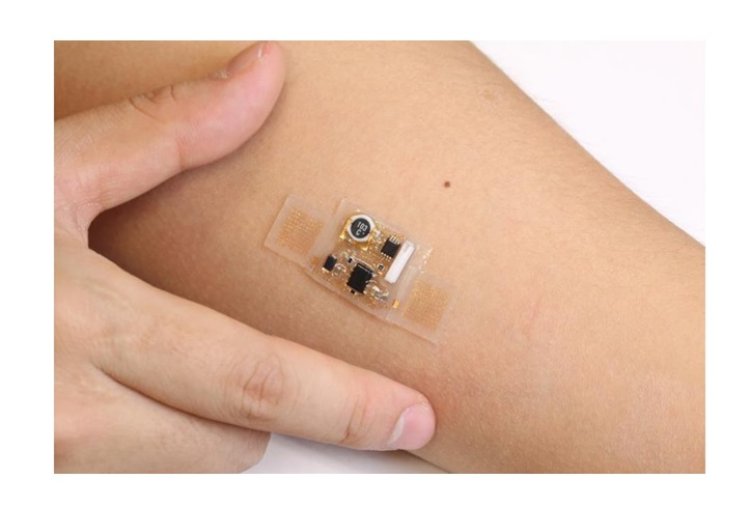
The future of healthcare is no longer confined to hospital walls; it is adhering directly to our skin. The Sensor Patch Market is witnessing an unprecedented boom, transforming how patients, athletes, and doctors approach health monitoring. According to the latest comprehensive analysis by Vantage Market Research, this industry is not just growing—it is exploding.
From a valuation of USD 2.61 Billion in 2024, the global market is projected to skyrocket to USD 96.85 Billion by 2035. This represents a staggering Compound Annual Growth Rate (CAGR) of 38.95%.
This article explores the driving forces behind this surge, the technological innovations reshaping the sector, and why industry stakeholders need the detailed insights found in Vantage Market Research’s report to navigate this lucrative landscape.
Get Access to the In-depth Report: Read the Full Vantage Market Research Report Here
Market Overview: The Numbers That Matter
The transition from bulky, wired monitoring equipment to discreet, wireless sensor patches is the primary catalyst for this market's expansion. Investors and healthcare providers are witnessing a shift toward "stick-on" health solutions that offer continuous data without interrupting daily life.
Global Sensor Patch Market Growth (2024–2035)
|
Metric |
Details |
|
Market Value (2024) |
USD 2.61 Billion |
|
Projected Value (2035) |
USD 96.85 Billion |
|
CAGR (2025-2035) |
38.95% |
|
Forecast Period |
2025–2035 |
|
Dominant Region |
North America (32.5% Share) |
|
Fastest Growing Region |
Asia Pacific |
Source: Vantage Market Research
This exponential growth curve suggests that we are in the early stages of a "wearable 2.0" era. While smartwatches introduced the world to casual tracking, sensor patches are professionalizing the data, offering medical-grade accuracy for critical conditions.
Why Sensor Patches? The Core Drivers
The report highlights several critical factors fueling demand. These are not temporary trends but structural shifts in global healthcare.
The Diabetes Epidemic and CGM Dominance
The largest application segment for sensor patches is Blood Glucose Monitoring. Traditional finger-prick methods are painful and provide only a snapshot of data. Continuous Glucose Monitoring (CGM) patches, such as those from market leaders like Dexcom and Abbott, sit on the skin and transmit real-time glucose levels to a smartphone.
- Significance: This technology prevents life-threatening hypoglycemic events.
- Market Impact: The Blood Glucose segment captures over 27.8% of the market share, driven by the rising global prevalence of diabetes.
The Telehealth and Remote Monitoring Boom
Post-pandemic healthcare relies heavily on Remote Patient Monitoring (RPM). Hospitals are overcrowded, and doctors prefer to monitor stable patients at home.
- Role of Patches: A sensor patch can track heart rate, temperature, and ECG data continuously for weeks. This data is sent to the cloud, alerting doctors immediately if a patient's condition deteriorates.
- Result: Reduced hospital readmissions and lower healthcare costs.
Aging Population and Geriatric Care
As the global population ages, the prevalence of chronic conditions like cardiovascular disease increases. Elderly patients often struggle with complex medical devices. Sensor patches are "apply and forget," making them ideal for seniors who need constant monitoring without the hassle of wires or daily device management.
Technological Innovations: Smaller, Smarter, Faster
Vantage Market Research identifies key technological leaps that are making these impressive growth numbers possible.
- Miniaturization: Components are becoming microscopic. Patches are now thin, flexible, and barely noticeable under clothing.
- Skin-Like Flexibility: Innovations in materials science allow patches to stretch and twist with the skin, preventing peeling or discomfort during exercise or sleep.
- Connectivity (IoT): Modern patches are IoT nodes. They do not just store data; they analyze and transmit it via Bluetooth or NFC to the broader healthcare ecosystem (Electronic Health Records).
- Multi-Modal Sensing: The newest patches do not just track one metric. A single patch can now monitor temperature, heart rate, and sweat biomarkers simultaneously, providing a holistic view of patient health.
Market Segmentation: Where is the Money Flowing?
To invest wisely, one must understand where the capital is concentrated. Vantage’s report breaks the market down with precision.
By Product
- Blood Glucose Sensor Patches: The revenue king. Essential for insulin management.
- Temperature Sensor Patches: Gained massive traction for fever detection and fertility tracking.
- ECG/Heart Rate Patches: Vital for detecting arrhythmias like Atrial Fibrillation (AFib) over long periods, which hospital EKGs might miss.
- Blood Oxygen Patches: Critical for respiratory monitoring, especially in the wake of respiratory virus concerns.
By Application
- Diagnostic: Holding a 30.1% share, diagnostic applications lead the market. Doctors trust these devices to diagnose conditions that require long-term observation.
- Monitoring: Used for post-surgery recovery and chronic disease management.
- Wellness and Fitness: Elite athletes use patches to analyze sweat composition (hydration levels) and muscle load to prevent injury.
By End-User
- Healthcare Sector: Controls 65.6% of the market. Hospitals and clinics are the primary purchasers, integrating these patches into standard care protocols.
- Fitness & Sports: A rapidly growing segment as "biohacking" and data-driven training become mainstream for consumers.
Regional Analysis: A Global Phenomenon
The report provides a detailed geographic breakdown, essential for businesses planning international expansion.
North America (The Leader)
North America holds the largest market share (32.5%).
- Why: High healthcare spending, early adoption of technology, and favorable reimbursement policies for digital health devices. The presence of major players like Abbott and Dexcom in the US cements this dominance.
Asia Pacific (The Engine of Growth)
This region is projected to be the fastest-growing.
- Why: Huge patient populations in China and India, increasing disposable income, and government initiatives to modernize healthcare infrastructure. The demand for cost-effective diagnostic tools in remote areas is driving patch adoption.
Europe
Strong growth driven by centralized healthcare systems (like the NHS) seeking cost-saving technologies and a strong focus on geriatric care.
Competitive Landscape: Who Owns the Future?
The market is competitive, with established giants and agile startups vying for dominance. The Vantage report offers a deep dive into the strategies of key players, including:
- Abbott Laboratories: A leader in glucose sensing with the FreeStyle Libre system.
- Dexcom, Inc.: A pioneer in real-time CGM technology.
- Medtronic PLC: heavily invested in integrating sensors with insulin pumps.
- Texas Instruments: Providing the underlying microchip technology that makes these sensors possible.
- VitalConnect & iRhythm: Leaders in cardiac monitoring patches.
Strategic Trends:
Companies are not just selling hardware; they are selling data platforms. The value lies in the software algorithms that interpret the sensor data and provide actionable insights to users and doctors. Mergers and acquisitions are frequent as tech giants look to acquire specialized sensor capabilities.
Why You Need This Report (Vantage Market Research)
In a market growing at nearly 39% annually, accurate data is the difference between profit and missed opportunity. The Vantage Market Research report stands out for several reasons:
- Granularity: It doesn't just give you the "Sensor Patch" number. It breaks it down by specific sensor type (temperature vs. pressure), allowing niche manufacturers to find their target audience.
- Forecast Validity: With a projection timeline up to 2035, this report helps with long-term strategic planning, not just next quarter's sales.
- Competitive Benchmarking: Understand exactly where your company stands relative to the giants like Medtronic and Abbott.
- Customization: Vantage offers report customization (up to 8 analyst working days) to tailor the data to your specific business questions—whether that's "Blood Glucose Patch trends in Germany" or "Startups in Sweat Sensing."
The Future Outlook
The Sensor Patch market is on a trajectory to redefine "standard of care." We are moving toward a future where a hospital visit is rare because your doctor is monitoring your vitals 24/7 through a patch on your chest.
- AI Integration: Future patches will use Artificial Intelligence to predict heart attacks or sugar crashes before they happen.
- Drug Delivery: Smart patches will not just sense; they will treat. "Theranostic" patches will deliver medication (like insulin or painkillers) automatically based on sensor readings.
Industry Scope
The Sensor Patch Market is a goldmine of opportunity, driven by the convergence of healthcare needs and technological capability. With a market set to reach nearly $100 Billion within a decade, the time to understand this industry is now.
Whether you are an investor, a healthcare executive, or a technology developer, the Vantage Market Research Report provides the blueprint you need to succeed. It offers the clarity, data, and strategic insight required to capitalize on one of the fastest-growing sectors in the world.
Don't operate in the dark. Illuminate your strategy with the full report.