
Portable Generator Market Size, Growth & Forecast 2025–2035 | CAGR 5.80%
The global Portable Generator Market is expected to grow from USD 4.99 Billion in 2024 to USD 9.27 Billion by 2035, at a CAGR of 5.80%. Explore key trends, forecasts, and growth drivers shaping the market.
 Coralia Joe
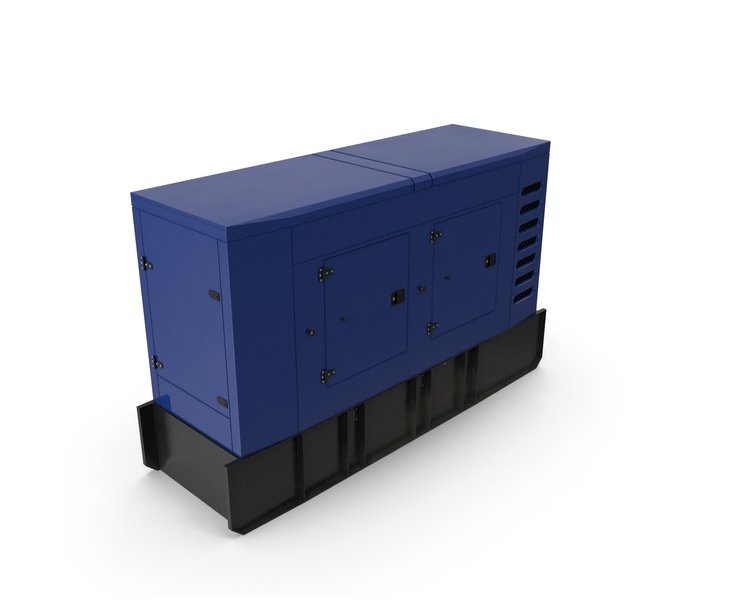
The global Portable Generator Market is poised for substantial growth over the next decade, as the increasing frequency of power outages, rising urbanization, and demand for backup and emergency power sources converge to drive demand. According to a recent report by Vantage Market Research, the market was valued at USD 4.99 billion in 2024, and is forecast to reach USD 9.27 billion by 2035, growing at a Compound Annual Growth Rate (CAGR) of 5.80% between 2025 and 2035. Key drivers include the residential sector’s demand, shifting fuel preferences, and the rising importance of reliability in power supply, especially in regions with unstable grid infrastructure. This press release provides a structured, detailed view of market dynamics, segmentation, regional trends, company participation, and recent developments.
Our comprehensive Portable Generator Market report is ready with the latest trends, growth opportunities, and strategic analysis. View Sample Report PDF.
Key Takeaways
- Global portable generator market revenue in 2024 stood at USD 4.99 billion.
- The market is forecasted to reach USD 9.27 billion by 2035, with a CAGR of 5.80% over 2025–2035.
- Asia Pacific is both the largest and fastest-growing region in the forecast period.
- By fuel type, gasoline (petrol) will retain the largest share in 2024.
- The residential end-user segment accounted for the majority of market share in 2024, dominating usage for emergency power and small-scale applications.
Premium Insights
The global portable generator market is witnessing notable transformation driven by rising consumer demand for reliable backup power amid frequent grid failures and natural disasters. Shifting fuel preferences are shaping the competitive landscape, with gasoline remaining dominant but cleaner alternatives such as natural gas, propane, and dual-fuel options gaining traction under stricter emission norms. Innovation is a core trend, as manufacturers introduce lightweight, low-noise, and fuel-efficient models with smart connectivity features to enhance user convenience. Additionally, rapid urbanization, increasing electricity consumption in households, and growing adoption of portable generators for outdoor activities and small businesses are accelerating market penetration worldwide.
Market Size & Forecast
- 2024 Revenue: USD 4.99 billion
- Forecast for 2035: USD 9.27 billion
- CAGR (2025-2035): 5.80% annually across this period.
The market is somewhat fragmented with a number of established global players (e.g., Atlas Copco, Generac, Honda, Yamaha, Caterpillar, Cummins, etc.) competing on innovation, fuel efficiency, durability, noise and emission levels. However, in many local and regional markets, smaller manufacturers and OEMs maintain strong presence due to cost, proximity, and service/maintenance network. Key competitive strategies include R&D, new product launches (lighter, cleaner, more efficient models), partnerships, and sometimes regulatory compliance to meet emission norms.
For Portable Generator Market Research Report and updates detailed: View Full Report Now!
Application Insights
The portable generator market is segmented into Emergency and Prime/Continuous applications. Emergency applications dominate due to their widespread use in residential and commercial sectors during sudden power outages, natural disasters, and grid failures. Their ease of mobility and quick start-up makes them indispensable for short-term energy needs. Meanwhile, Prime/Continuous generators serve industries and businesses in areas with unreliable grid supply, though adoption is smaller because of higher operational costs and fuel demand. Growing urbanization continues to reinforce emergency application demand.
Fuel Type Insights
Portable generators are categorized into Gasoline, Diesel, Natural Gas, and Others (LPG, Propane, Biodiesel). Gasoline generators held the largest market share in 2024 owing to affordability, availability, and suitability for residential use. Diesel units remain popular in commercial settings for their durability and longer runtime. However, environmental regulations and rising fuel costs are driving adoption of cleaner fuels such as propane and natural gas. Dual-fuel options are also emerging, offering flexibility and reduced emissions, thereby attracting eco-conscious consumers.
Power Rating Insights
The market is divided into Below 5 kW, 5–10 kW, and 10–20 kW segments. Generators below 5 kW dominate due to their extensive residential use for household appliances, camping, and small emergency needs. The 5–10 kW range is gaining traction in commercial setups, small businesses, and construction sites, where greater capacity and reliability are essential. The 10–20 kW segment, while smaller, serves niche industrial and heavy-duty applications. Rising household energy consumption and lifestyle changes continue to boost demand for sub-5 kW models.
End Users Insights
Based on end-users, the market is segmented into Residential, Commercial, and Industrial. Residential users account for the majority share, fueled by increasing household dependence on electronics, demand for emergency backup, and frequent blackouts in emerging economies. Commercial users, including retail stores, hospitality, and small offices, are adopting portable generators to ensure uninterrupted services and avoid revenue losses. Industrial usage is smaller in share but important for construction sites, remote facilities, and manufacturing units, where portability and reliability are key.
Regional Insights
North America Portable Generator Market Trends
The North America portable generator market is propelled by increasing instances of severe weather events, such as hurricanes and snowstorms, which often disrupt power supply. High adoption in the U.S. and Canada is supported by strong demand for residential backup systems and commercial usage to prevent operational downtime. Technological advancements, including quieter inverter generators and eco-friendly fuel alternatives, are enhancing consumer appeal. Additionally, stringent environmental regulations are pushing manufacturers to innovate low-emission, fuel-efficient models tailored to local compliance standards.
Europe Market Portable Generator Trends
The European market is shaped by strict emission and noise control regulations, driving demand for natural gas, LPG, and hybrid-fuel portable generators. Consumers in Western Europe increasingly prefer eco-friendly models, while Eastern Europe relies more on gasoline and diesel units due to affordability and grid reliability concerns. The growing emphasis on sustainable energy solutions and renewable integration also influences purchase patterns. Rising demand for emergency backup power in healthcare facilities, businesses, and households during unexpected blackouts continues to support steady growth.
Asia Pacific Portable Generator Market Trends
Asia Pacific is the largest and fastest-growing region, fueled by rapid urbanization, population growth, and frequent power outages in developing economies like India, Indonesia, and the Philippines. China dominates manufacturing and consumption, benefiting from large-scale production capabilities and strong distributor networks. Rising residential electricity needs, expanding commercial sectors, and construction activities amplify generator adoption. The region also shows increasing interest in cost-effective and fuel-flexible solutions. Government infrastructure investments and growing disposable incomes further contribute to the robust market outlook.
Latin America Portable Generator Market Trends
Latin America’s portable generator market is expanding as many areas face unreliable or uneven electricity supply, particularly in rural and semi-urban regions. Brazil and Mexico lead the demand, supported by both residential and small business requirements for affordable emergency backup solutions. Natural disasters, such as storms and floods, also drive short-term surges in generator sales. However, high import tariffs and fuel costs often restrict broader adoption. Local distributors and low-cost gasoline units play a vital role in market penetration.
Middle East & Africa Portable Generator Market Trends
The Middle East and Africa market benefits from widespread reliance on portable generators due to weak or insufficient grid infrastructure in several countries. Demand is strong across residential, commercial, and construction sectors, particularly in Sub-Saharan Africa. In the Middle East, extreme weather conditions and reliance on air conditioning systems increase the need for backup power. Diesel units dominate due to fuel availability, but propane and natural gas generators are slowly gaining traction as governments encourage cleaner energy alternatives.
Top Key Portable Generator of Company Insights
Here are some of the major companies active in this market, according to Vantage Market Research:
- Atlas Copco
- Briggs & Stratton
- Generac
- Honda
- Yamaha
- Caterpillar
- Cummins
- Eaton
- Honeywell
- Siemens
- Wacker Neuson
- Kubota
- Kohler
- Champion
- Himoinsa
- Duromax
- Loncin
These companies compete via product innovation (fuel efficiency, emissions, noise), distribution networks, cost efficiency, and compliance with regulatory standards.
Recent Developments
- In 2024, several competitors introduced new portable generator models or expanded product lines with emphasis on fuel efficiency, compliance with stricter emissions, and reduced environmental impact. For example, Honda has been focusing on engine technologies to reduce emissions.
Portable Generator Market Report Scope
Vantage Market Research provides an in-depth analysis of the Global Portable Generator Market, covering both qualitative and quantitative insights. The report examines key trends, growth drivers, restraints, and opportunities shaping the industry. It offers comprehensive segmentation based on Application, Fuel Type, Power Rating, and End Users, enabling stakeholders to understand demand patterns across diverse sectors. Furthermore, the study includes detailed regional insights, competitive landscape evaluation, and company profiles of leading players. Forecasts extend up to 2032, equipping investors, manufacturers, and policymakers with actionable intelligence for strategic decision-making.
Market Dynamics
Driver
The primary driver for the portable generator market is the rising frequency of power outages caused by grid instability, extreme weather events, and aging infrastructure. This has accelerated the demand for reliable backup power solutions in residential, commercial, and industrial sectors. Additionally, increasing electricity demand in emerging economies and the growing use of generators for recreational activities such as camping, construction sites, and outdoor events are boosting adoption. Rising consumer preference for convenient and mobile power sources further supports market growth.
Restraint
One of the key restraints in the portable generator market is the strict regulatory framework regarding carbon emissions and noise pollution. Traditional gasoline and diesel-powered generators are often criticized for their environmental footprint, which limits adoption in eco-conscious regions. Rising fuel costs also discourage consistent usage, particularly for residential consumers. Moreover, increasing investment in renewable energy systems, such as solar-powered backup solutions, acts as a competitive alternative, reducing dependency on conventional portable generators across multiple markets.
Opportunity
The increasing adoption of smart and connected generators presents a significant growth opportunity for manufacturers. Integration of IoT and remote monitoring systems enhances user experience by providing real-time performance insights, predictive maintenance, and energy efficiency. Furthermore, growing demand for cleaner alternatives such as natural gas, propane, and dual-fuel generators aligns with global sustainability goals. Emerging markets in Asia Pacific and Latin America, experiencing rapid urbanization and infrastructure expansion, offer substantial opportunities for portable generator manufacturers to expand their market presence.
Challenges
A major challenge for the portable generator industry is the volatility of raw material prices, which directly impacts production costs and profit margins. Supply chain disruptions, especially during geopolitical tensions and global trade uncertainties, add complexity to maintaining steady manufacturing output. Additionally, consumer awareness of environmental concerns is pushing demand away from traditional fuel-based generators toward renewable alternatives. Companies must balance affordability with innovation to remain competitive, while addressing noise, emission, and safety standards to ensure regulatory compliance.
Global Portable Generator Market Report Segmentation
- Application: Emergency; Prime/Continuous
- Fuel Type: Gasoline (Petrol); Diesel; Natural Gas; Others (LPG, Propane, Biodiesel)
- Power Rating: Below 5 kW; 5-10 kW; 10-20 kW
- End Users: Residential; Commercial; Industrial
- Region: North America; Europe; Asia Pacific; Latin America; Middle East & Africa
Frequently Asked Questions
- What is the expected growth of the portable generator market from 2025 to 2035?
CAGR is expected at 5.80% annually over that period.
- Which region is forecasted to grow fastest?
Asia Pacific is both the largest and fastest-growing region.
- Which fuel type has the largest market share?
Gasoline (petrol) had the largest share in 2024, approx 41%.
- Which end-user segment dominates the market?
The residential segment dominates (67% share in 2024).
- What are the main constraints to market growth?
Emission/noise regulation, high operational and fuel costs, competition from alternative power solutions.