
Global Point of Use Water Treatment Systems Market 2024-2035 | CAGR 10.15%
The Point of Use Water Treatment Systems Market is expected to grow from USD 33.25 Billion in 2024 to USD 96.24 Billion by 2035, with a CAGR of 10.15%. Learn about market trends, growth drivers, and key players in this rapidly expanding sector.
 Coralia Joe
Global Point-of-Use Water Treatment Systems Market to Reach USD 96.24 Billion by 2035, Driven by Rising Demand for Clean Water & Smart Purification Technologies
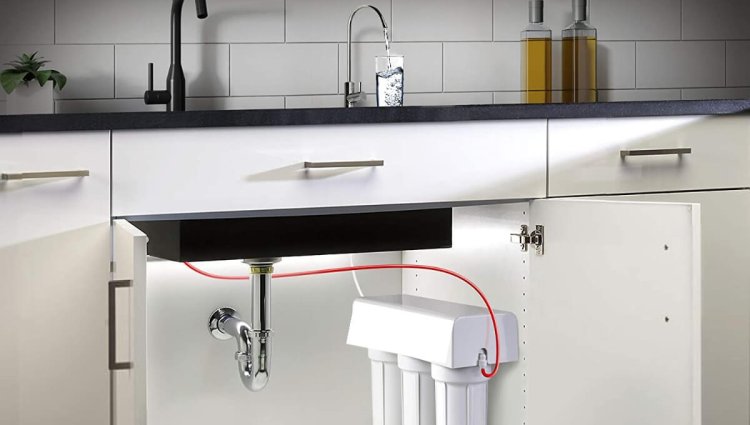
The Point-of-Use (POU) Water Treatment Systems market—comprising devices such as countertop filters, under-sink units, faucet-mounted filters, ion exchange systems, reverse osmosis, ultrafiltration, disinfection, and others—is witnessing rapid expansion globally. Increasing concerns about water quality, rising prevalence of water-borne diseases, growing awareness among consumers, and regulatory push for safe drinking water are accelerating adoption. Technological improvements, falling costs of components, and enhanced functionality (e.g. smart features, IoT connectivity) are helping POU systems penetrate both residential and non-residential sectors, especially in regions with inadequate centralized water treatment infrastructure.
Our comprehensive Point of Use Water Treatment Systems Market report is ready with the latest trends, growth opportunities, and strategic analysis. View Sample Report PDF.
Key Takeaways
- 2024 Market Revenue: The global POU Water Treatment Systems market was valued at USD 33.25 billion in 2024.
- Forecast 2035: It is projected to reach USD 96.24 billion by 2035.
- CAGR (2025-2035): Expected growth rate is 10.15% over the forecast period.
- Largest & Fastest Region: Asia Pacific leads in both current size and fastest growth.
- Key Segmentation: Market is segmented by Application (Residential vs Non-Residential), Device types (Tabletop pitchers; Faucet-mounted filters; Counter-top units; Under-the-sink filters; Other devices), and Technology (Reverse Osmosis, Ultrafiltration, Distillation, Disinfection, Filtration, Ion Exchange, Others).
Premium Insights
Consumers globally are growing more concerned about drinking water quality, driven by increased incidence of contaminants, microplastics, heavy metals, and pathogens. This has led to higher demand for POU devices offering more rigorous purification—reverse osmosis (RO) and ultrafiltration (UF) dominate in this respect. Simultaneously, demand for smart features (e.g. sensors for filter replacement, Bluetooth or WiFi connectivity, app monitoring) is rising. Manufacturers are innovating in design, efficiency, and usability. Regulatory requirements in many countries, especially in Asia Pacific, are tightening, pushing adoption in non-residential settings (schools, hospitals, restaurants). Also, improving affordability and falling component costs support broader adoption in emerging economies.
Market Size & Forecast
- Revenue 2024: USD 33.25 billion.
- Forecast Revenue 2035: USD 96.24 billion.
- CAGR (2025-2035): 10.15%.
Growth is expected to stem from increasing household disposable income, greater health awareness, urbanization stress on water treatment infrastructure, and rising demand in non-residential sectors. Asia Pacific, particularly, is projected to contribute a large share of incremental growth due to infrastructure gaps and growing consumer demand.
The market is somewhat fragmented: many players ranging from large multi-nationals with strong R&D and distribution capabilities, to smaller local brands in specific geographies. Key success factors include product reliability, certification to drinking water standards, capability in advanced purification technologies (RO, UV, etc.), supply-chain cost efficiency, and brand trust. Because replacement filters and maintenance are part of the usage cost, companies that provide good service, long-lasting filters, or cost-effective maintenance tend to win loyalty. Local regulatory requirements and water quality standards also vary widely, affecting barriers to entry and performance expectations.
For Point of Use Water Treatment Systems Market Research Report and updates detailed: View Full Report Now!
Applications Insights
The point-of-use water treatment system market by applications is segmented into residential, commercial, and industrial. The residential segment dominates, driven by growing consumer awareness of waterborne diseases, urbanization, and increasing demand for safe drinking water at the household level. The commercial sector, including offices, restaurants, and hospitality, is witnessing rising adoption due to stringent health and safety standards. Industrial applications, while smaller, are gaining traction as manufacturers seek efficient water purification solutions to protect equipment, maintain compliance, and support sustainability initiatives.
Device Insights
By device, the market is categorized into countertop units, under-the-sink filters, faucet-mounted filters, pitcher filters, and others. Countertop and under-the-sink filters lead due to their efficiency, durability, and convenience in providing large volumes of purified water. Faucet-mounted and pitcher filters appeal to cost-sensitive and portable water treatment needs, making them popular among urban households. The “others” category, which includes advanced modular and hybrid systems, is expanding as consumers seek personalized solutions with smart technology integration for improved monitoring and maintenance.
Technology Insights
The market by technology is divided into reverse osmosis (RO), distillation, disinfection methods (UV, ozone), filtration (carbon, ceramic), and others. Reverse osmosis remains the largest segment, favored for its high efficiency in removing dissolved impurities, heavy metals, and contaminants. Filtration technologies, particularly activated carbon, are widely used for taste and odor improvement. UV and ozone disinfection are expanding due to their effectiveness in killing pathogens without chemicals. Distillation, though less common, serves niche applications. Innovations in smart and hybrid technologies are enhancing performance and adoption.
Regional Insights
North America Point-of-Use Water Treatment Systems Market Trends
In North America, the POU market is mature and competitive. High awareness of water contamination issues (e.g. lead, PFAS, microplastics), strict regulatory standards, and higher disposable incomes support adoption of premium purification systems. Smart and connected features are more rapidly absorbed. Replacement filter supplies, warranty and service networks are well developed. Growth continues but incremental, often via product upgrades, improved performance, or in non-residential markets (e.g., restaurants, institutions). Consumer trust, branding, and certifications are critical in this region.
Europe Market Point-of-Use Water Treatment Systems Trends
Europe exhibits strong regulatory pressure around water safety, potable water standards, and environmental sustainability. Particularly, EU water directives and national standards push for low-waste-filter solutions, energy-efficient purification, and reduced chemical usage. Cultures with strong interest in health, sustainability, and environmental consciousness increase acceptance of POU systems. Under-sink and reverse osmosis units are more popular among higher-income households; lower-cost devices (e.g. faucet filters, tabletop pitchers) serve renters or lower income segments. Public procurement (hospitals, schools) often demand certified performance, impacting product requirements.
Asia Pacific Point-of-Use Water Treatment Systems Market Trends
Asia Pacific is both the largest and fastest-growing region in this market. Rapid population growth, rising urbanization, increasing water pollution, and gaps in centralized water infrastructure drive consumer demand in household and small commercial settings. Many countries are introducing stricter water quality standards. Affordability is still a concern; hence, lower-cost devices, basic filtration, or UV/disinfection methods see strong traction. Growth in e-commerce helps distribution. Manufacturers are also customizing offerings for regional water quality issues (hardness, microbial contamination, chemical pollutants).
Latin America Point-of-Use Water Treatment Systems Market Trends
In Latin America, concern about municipal water safety and outbreaks of waterborne diseases boost interest in POU systems. However, economic volatility, lower disposable incomes, and import duties or taxes on devices & filters can limit high-end device penetration. Lower-cost units (pitchers, faucet mounted filters) are popular. Non-residential demand (restaurants, hotels) is rising in urban centers. Trust, brand reputation, local service & filter availability are important. Government programs may offer subsidies or awareness campaigns, which can stimulate adoption.
Middle East & Africa Point-of-Use Water Treatment Systems Market Trends
MEA region faces acute water quality issues, water scarcity, and inconsistent centralized treatment infrastructure in many areas. Therefore, POU systems offer critical solutions. Residential demand, especially in urban and peri-urban areas, is growing. Non-residential uses (hospitals, hospitality, office buildings) are significant when water quality mandates exist. Challenges include maintenance costs, access to replacement filters, electricity or power constraints (for devices requiring power), and climatic conditions. However, growing incomes, health awareness, and government initiatives toward safe drinking water provide strong tailwinds.
Top Key Company OF Point-of-Use Water Treatment Systems
Leading players in the POU Water Treatment Systems market include:
- 3M
- Pentair
- LG Electronics
- Smith
- Panasonic Corporation
- Unilever
- EcoWater
- Culligan Water
- Kinetico Incorporated
- Others
These companies compete on innovation (filter materials, purification technology, smart features), product reliability, certification, geographic reach (especially in fast-growing Asia Pacific), service / filter replacement network, and branding. Some are expanding product lines to include IoT, app connectivity, advanced filtration (PFAS removal, etc.), and more eco-friendly components.
Recent Developments
- In 2024, several POU manufacturers introduced smart, connected purification systems featuring sensors for filter life, automatic alerts, and app-based monitoring to better retain customer usage and improve maintenance.
Point-of-Use Water Treatment Systems Market Report Scope
This Vantage Market Research report covers the global POU Water Treatment Systems market using base year 2024 and forecast period 2025-2035. It provides revenue, growth rates, trends, innovations, and competitive landscape insights across regions: North America; Europe; Asia Pacific; Latin America; Middle East & Africa. Segmentation includes Application (Residential vs Non-Residential), Device types (Tabletop pitchers, Faucet-mounted filters, Countertop units, Under-sink filters, Other devices), Technology (Reverse Osmosis, Ultrafiltration, Distillation, Disinfection, Filtration, Ion Exchange, Other Technologies), and Region. Key end-use sectors and major companies are profiled; regulatory and technological dynamics are analyzed, along with market drivers, restraints, opportunities, and challenges.
Market Dynamics
Driver:
Growing global concerns over water quality and safety, including rising incidence of waterborne diseases, emerging contaminants (heavy metals, PFAS, microbes), and public awareness, are major growth drivers. Weakness or unreliability in centralized water infrastructure in many emerging regions push consumers toward point-of-use solutions. Moreover, regulatory tightening in many markets and government initiatives favor adoption of safe drinking water systems. Improved technology (better membranes, lower energy consumption, smart features) and falling costs for key components also drive affordability and uptake.
Restraint:
High initial cost for advanced devices (especially reverse osmosis, ion exchange), ongoing operational and maintenance costs (filter replacements, power usage), and sometimes lack of awareness or trust are significant restraints. Availability of replacement filters, service support, and after-sales in remote or rural areas is often limited. Also, regulatory certification and water quality standard compliance can raise cost. In some regions, inconsistent electricity supply or stable power is a constraint for devices needing power, which limits adoption.
Opportunity:
Substantial opportunity lies in smart/IoT-enabled devices, low-cost filters, and technologies that address specific local water issues (e.g. arsenic, fluoride, hardness, microbial contamination). Growth potential in emerging economies where centralized water treatment is inadequate, and in non-residential sectors (healthcare, institutions, food & beverage). Also, “product as service” or rental / subscription models for filter replacement and maintenance can open new business models. Enhanced regulatory action, subsidies, or government programs for safe drinking water offer further growth.
Challenges:
Ensuring consistent device performance across diverse water qualities is difficult; devices may underperform if contaminants are unusual or in high concentrations. Managing costs over device lifecycle (installation + filter upkeep) remains critical. Consumer education & trust is key; users must believe devices are effective and worthy of maintenance. Logistics and supply chain for filters or parts in remote or less-developed regions can be problematic. Power dependency, energy consumption, and environmental impact of disposables (filters, cartridges) also pose sustainability challenges.
Global Point-of-Use Water Treatment Systems Market Segmentation
- By Application: Residential; Non-Residential
- By Device: Tabletop Pitchers; Faucet-mounted Filters; Counter-top Units; Under-the-sink Filters; Other Devices
- By Technology: Reverse Osmosis; Ultrafiltration; Distillation; Disinfection Methods; Filtration Methods; Ion Exchange; Others
- By Region: North America; Europe; Asia Pacific; Latin America; Middle East & Africa
Frequently Asked Questions
- What is the market size of the POU Water Treatment Systems in 2024?
USD 33.25 billion.
- What is the projected value in 2035?
USD 96.24 billion.
- What is the CAGR for 2025-2035?
10.15%.
- Which region is largest and which fastest growing?
Asia Pacific is both largest and fastest growing.
- Which device type leads in revenue?
Counter-top units are expected to dominate.
- Which application segment leads?
Residential applications lead.
- Who are some key companies in this market?
3M; Pentair; LG Electronics; A. O. Smith; Panasonic; Unilever; EcoWater; Culligan; Kinetico, etc.