
Medical Aesthetics Market 2026: Price Trends & Demand Forecast 2026-2035
North American Medical Aesthetics market analysis for February 2026. Insights on rising Hyaluronic Acid costs, supply chain constraints, and bullish downstream demand.
 Coralia Joe
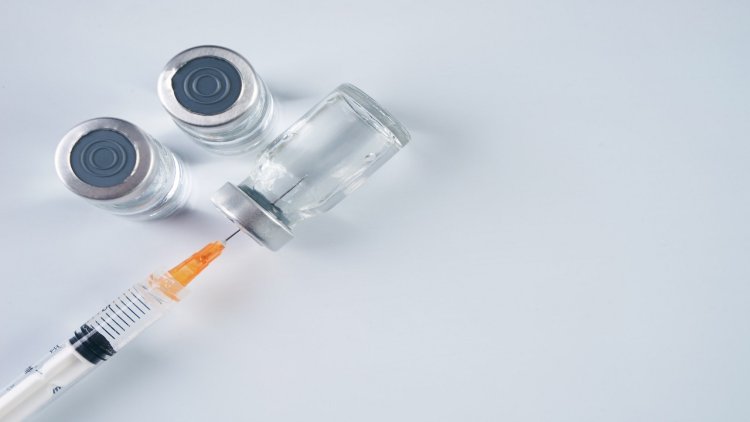
North American Medical Aesthetics Market Trends Bullish in February 2026 amid Rising Hyaluronic Acid Costs and Robust Clinical Demand
The North American Medical Aesthetics Market exhibits a strong bullish trend in February 2026. Prices for premium aesthetic devices and injectables rise by 2.5% compared to the previous quarter. This increase correlates with sustained consumer demand and tightening upstream supply chains. Market valuations for the region track to exceed $22.5 billion this fiscal year. High consumer confidence in non-invasive procedures supports this upward price momentum. Manufacturers successfully pass incremental production costs to healthcare providers without a reduction in transaction volumes.
Supply constraints tighten significantly in the current market. This trend stems primarily from limited availability of high-purity Hyaluronic Acid (HA), the critical feedstock for dermal fillers. Costs for cosmetic-grade HA increase as elevated energy prices impact microbial fermentation facilities. Logistics present further challenges. Regulatory compliance costs rise due to the implementation of stricter medical device reporting standards. These factors extend lead times for premium injectable inventories by two weeks. Import volumes for raw polymer components remain stable, but spot prices show a slight increase due to localized transport fees.
Buying patterns from the downstream healthcare sector remain robust. The Medical Spa and Dermatology Clinic segments drive this demand. Procurement orders from these facilities surge by 8% year-over-year. Clinics actively expand service menus to include combination therapies. Purchasing concentrates on non-surgical skin rejuvenation platforms and injectable neuromuscular toxins. The "Pre-Rejuvenation" trend among younger demographics sustains high inventory turnover rates for entry-level products. Demand from the hospital surgical sector remains steady but grows slower than private cosmetic practices.
The market outlook for the second quarter of 2026 is positive. Analysts project further price consolidation of 1% to 2% as supply chain pressures continue. Feedstock availability for Hyaluronic Acid likely stabilizes by late March. This stabilization may ease procurement bottlenecks. Consistent consumption from the expanding MedSpa network keeps overall market sentiment bullish through the first half of the year.